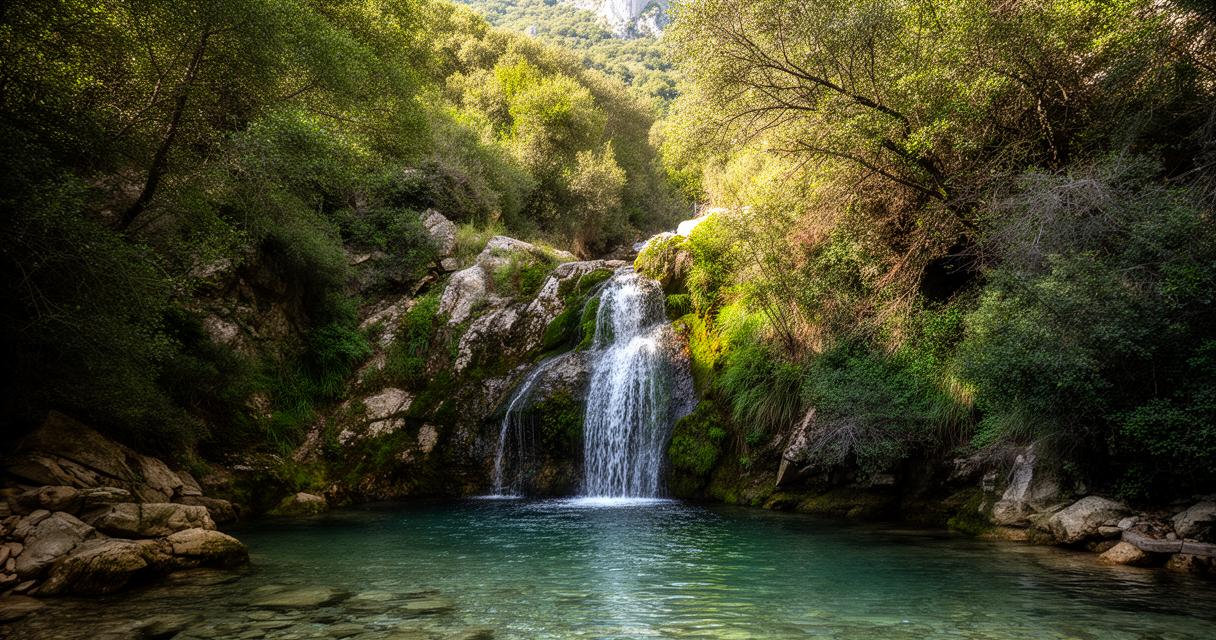
Nestled within the picturesque Var region of Provence, the Fauvery Waterfall near the charming village of Barjols presents an irresistible invitation for both hikers and photographers. This enchanting natural wonder, surrounded by the lush landscapes of the area, offers a serene escape from the bustle of everyday life. The journey to the falls winds through scenic trails that showcase the verdant beauty of Provençal countryside, making every step a visual delight. Whether you are drawn by the refreshing cascade itself or the opportunity to capture stunning imagery, Fauvery promises an experience that combines invigorating outdoor adventure with the creative challenge of waterfall photography. As the waters tumble gracefully down the rocks, they create a symphony of natural beauty that beckons photographers to immortalise their splendour through the lens.
- The Fauvery Waterfall near Barjols in the Var region offers a scenic hiking destination and an ideal setting for nature photography.
- Spring and autumn are the best seasons for visiting, as seasonal rainfall provides vigorous water flow and vibrant foliage colors.
- A sturdy tripod, a wide-angle lens, and neutral density filters are essential tools for capturing professional-grade waterfall images.
- Using long exposure techniques with slow shutter speeds allows photographers to create the characteristic silky, ethereal appearance of flowing water.
- Overcast lighting conditions are ideal for waterfall photography as they provide balanced, diffused light and eliminate harsh shadows.
- Photographers should use polarizing filters to manage glare on wet rocks and enhance the natural color saturation of the landscape.
- Hikers can combine their trip to Fauvery with visits to nearby natural landmarks like the Gorges du Verdon and the Massif of Sainte Baume.
Planning Your Visit to Fauvery Waterfall: What You Need to Know
Getting to Barjols and Accessing the Waterfall Trail
Reaching the Fauvery Waterfall begins with a journey to Barjols, a village renowned for its tranquil atmosphere and natural surroundings. Located in the heart of the Var, this destination is accessible by car from major cities in Provence, with well-marked roads guiding visitors through rolling hills and fragrant countryside. Once in Barjols, the trail to the waterfall is relatively straightforward, and those seeking precise navigation can find downloadable GPX routes online to ensure they stay on track. The hiking paths are well-maintained, allowing nature lovers of varying fitness levels to enjoy the walk. The area around the waterfall also provides access to broader exploration opportunities, including the stunning Gorges du Verdon and the majestic Massif of Sainte Baume, which together create a rich tapestry of natural beauty perfect for extended outdoor adventures.
Best Times of Year for Photography and Hiking
Choosing the right season for your visit to Fauvery Waterfall can significantly enhance both your hiking experience and photographic results. Spring emerges as a particularly favourable time, as melting snow and seasonal rains ensure the waterfall flows with impressive vigour, creating dynamic cascades that photograph beautifully. Autumn also offers excellent conditions, with the surrounding foliage displaying warm hues that add depth and colour to landscape compositions. Summer, while pleasant for hiking, may see reduced water levels if rainfall has been scarce, though the verdant summer foliage can still provide striking visual elements. Winter visits are less common but can yield dramatic images if you are prepared for cooler temperatures and potentially slippery trails. Regardless of the season, overcast conditions often prove ideal for waterfall photography, as diffused light reduces harsh shadows and allows for balanced exposures that capture the full tonal range of the scene.
Essential Camera Equipment and Settings for Waterfall Photography
Choosing the Right Lenses and Filters for Cascading Water
Equipping yourself with the appropriate camera gear is fundamental to capturing the essence of Fauvery Waterfall. A sturdy tripod is indispensable, providing the stability necessary for long exposure shots that transform the rushing water into silky, ethereal ribbons. When it comes to lenses, a wide-angle option allows you to encompass the entire waterfall along with its surrounding landscape, while a standard zoom lens offers versatility for tighter compositions focusing on specific details of the cascade. Filters play a crucial role in managing light and enhancing image quality. A polarising filter is invaluable for reducing glare from wet rocks and foliage, increasing colour saturation, and revealing textures that might otherwise be obscured. Additionally, a neutral density filter is essential for achieving those sought-after long exposure effects even in brighter daylight conditions, as it restricts the amount of light entering the lens and permits slower shutter speeds. A remote shutter release further minimises camera shake, ensuring tack-sharp images. It is also wise to carry a microfibre cloth and air blower to protect your equipment from water droplets and mist, particularly when working close to the splash zone.
Mastering long exposure techniques to capture silky water flow
The signature aesthetic of waterfall photography lies in the silky, flowing appearance of water, an effect achieved through long exposure techniques. To accomplish this, set your camera to a low ISO to maintain image quality and reduce noise. Select a narrow aperture to extend the depth of field, ensuring both foreground elements and the waterfall remain in sharp focus. The shutter speed is where the magic happens; exposures ranging from half a second to several seconds will blur the motion of the water, creating that smooth, dreamlike quality. The exact duration depends on the flow rate and the creative effect you desire, so experimentation is encouraged. Using a neutral density filter becomes particularly important when shooting in daylight, as it allows you to extend exposure times without overexposing the image. Timing your visit for periods of softer light, such as early morning or late afternoon, can also enhance the mood of your photographs. Overcast days offer an advantage by providing even illumination that minimises harsh contrasts, making it easier to achieve well-balanced exposures. Always review your images on the camera display to adjust settings as needed, and do not hesitate to take multiple shots with varying shutter speeds to ensure you capture the perfect rendition of the cascading water.
Composition Tips for Stunning Waterfall Images at Fauvery
Finding unique vantage points along the hiking paths
Composition is the cornerstone of compelling waterfall photography, and discovering distinctive perspectives can elevate your images from ordinary to extraordinary. As you traverse the trails leading to Fauvery Waterfall, take the time to explore different angles and viewpoints rather than settling for the most obvious vantage point. Consider descending closer to the water's edge to capture an intimate perspective that emphasises the power and movement of the cascade. Alternatively, positioning yourself at a higher elevation along the path can provide a sweeping overview that contextualises the waterfall within its broader landscape. Including foreground interest, such as moss-covered rocks, ferns, or fallen branches, adds depth and leads the viewer's eye into the frame. Experimentation with both horizontal and vertical compositions can yield varied results, with portrait orientations often accentuating the vertical drop of the water. Remember that the best compositions often require patience and a willingness to venture off the beaten track, so allow yourself ample time to explore and experiment with different setups.
Incorporating the Surrounding Provençal Landscape into Your Shots
The beauty of Fauvery Waterfall extends far beyond the cascade itself, and integrating the surrounding Provençal landscape into your photographs can create images with greater narrative and visual interest. The lush vegetation, rugged rock formations, and play of light filtering through the tree canopy all contribute to the scene's atmosphere. When framing your shot, consider how these elements interact with the waterfall and use them to enhance your composition. For instance, overhanging branches can frame the waterfall naturally, drawing attention to the focal point while adding texture and context. The golden light of sunrise or the warm tones of sunset can infuse your images with a magical quality, casting long shadows and highlighting the contours of the landscape. Even on overcast days, the soft, diffused light can render colours more vibrantly and reveal subtleties in texture that might be lost in harsher conditions. Seasonal changes also offer fresh opportunities; the vibrant greens of spring and summer foliage contrast beautifully with the white of the cascading water, while the warm browns and golds of autumn introduce a different palette altogether. By thoughtfully incorporating these environmental elements, you can create waterfall photographs that not only capture a moment but also tell a richer story of the Var's natural splendour.