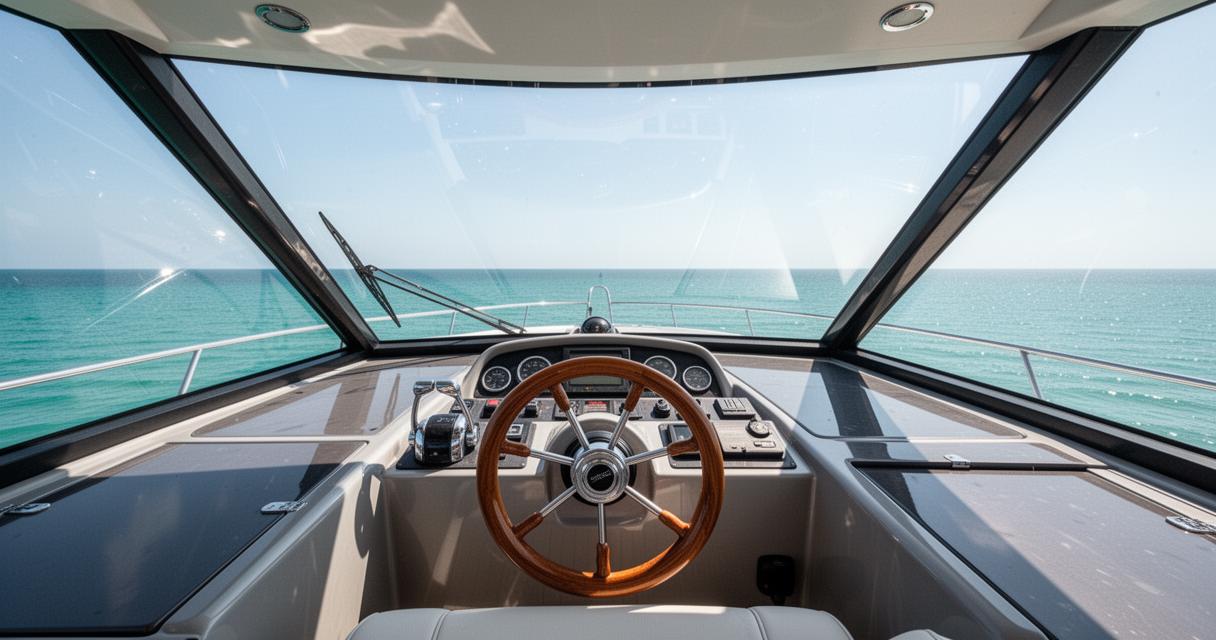
Taking command of a vessel demands more than a steady hand, it calls for a thorough understanding of the technology, mechanics and techniques that together make for truly precise boat handling. Whether you are navigating a busy marina or heading out into open water, every decision made from the wheelhouse has a direct bearing on safety, comfort and efficiency aboard.
What to know
- Modern navigation technology, such as chart plotters and autopilot systems, significantly enhances situational awareness and vessel control for recreational mariners.
- Choosing between a steering wheel and a tiller depends on the vessel’s hull type, size, and the need for hydraulic assistance versus tactile feedback.
- Integrating smart sensors for hull and draft monitoring provides real-time data that helps helmsmen navigate shallow waters and optimize performance under various loads.
- Regular maintenance of rudder systems, stainless steel components, and hydraulic fluid levels is critical to ensure predictable steering and prevent mechanical failure.
- Effective engine management and fuel efficiency are achieved by balancing throttle inputs with real-time data, which extends range and improves safety in open water.
- Mastering boat handling requires adapting techniques to specific engine configurations, such as utilizing differential thrust in twin-engine vessels versus managing propeller walk in single-engine setups.
- Consistent practice and study of maneuvering techniques under diverse conditions are essential for developing the confidence and precision required for expert helmsmanship.
Optimising navigation systems and engine controls aboard
Modern boating has been transformed by the integration of smart maritime navigation tools that give the helmsman far greater situational awareness than ever before. From electronic chart plotters to autopilot systems, the technology now available aboard even mid-range vessels allows for a level of vessel control that was once reserved for professional mariners. Understanding how these systems communicate with your engine and steering apparatus is the first step towards mastering your wheelhouse with confidence.
Choosing the Suitable Steering Wheel and Tiller Options
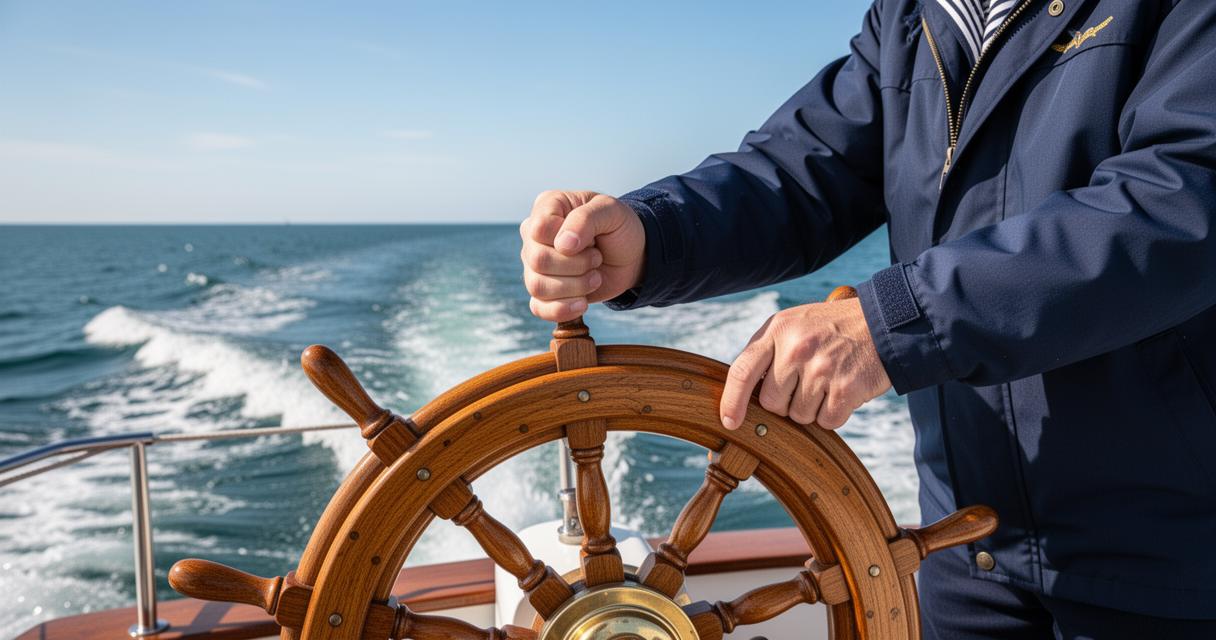
The choice of steering mechanism is one of the most fundamental decisions a boat owner faces, and it depends heavily on the type and length of the vessel. A steering wheel offers intuitive directional control and suits larger hulls where leverage and hydraulic assistance are necessary, while a tiller provides a more direct, tactile connection to the rudder that many sailors prefer for smaller craft. When selecting the suitable option, consider both the hull width and the engine layout, as these factors directly influence how much physical effort and mechanical advantage you will need to steer effectively in varying wind conditions.
A tiller-arm setup, in particular, rewards the helmsman with immediate feedback from the water, making it a compelling choice for those seeking to sharpen their nautical skills. However, for longer passages or when handling different boat types with greater beam and draft, a wheel system paired with a reliable hydraulic fluid circuit offers far more consistency.
Integrating Smart Sensors for Hull and Draft Monitoring
Beyond steering, the integration of smart sensors into your navigation system can significantly enhance marine handling by providing real-time data on hull performance and draft. Knowing precisely how deep your vessel sits in the water (and how that changes with load, speed and trim) allows you to adapt your handling techniques before a situation becomes hazardous. Draft monitoring sensors, when linked to your main navigation system, can alert you to shallow water risks and help you maintain the ideal course through complex channels or when marina manoeuvring demands pixel-perfect accuracy.
Essential Rudder and Fluid System Maintenance for Safety
No amount of advanced technology can compensate for neglected sailing safety fundamentals, and the condition of your rudder and fluid systems sits at the very heart of reliable vessel control. Regular inspection and maintenance of these elements is not merely a recommendation, it is the cornerstone of responsible seamanship, ensuring that your boat responds predictably when it matters most.
Inspecting stainless steel elements and tiller-arm integrity
The structural components of your steering system, particularly those fabricated from stainless steel, require periodic inspection to detect corrosion, fatigue cracks or loose fittings before they develop into serious failures. The tiller-arm connection point is especially critical, as it bears the full force of rudder movement at speed. Checking the integrity of this element as part of your routine maintenance schedule, alongside the pintles and gudgeons that secure the rudder to the transom, forms the backbone of sound boat training exercises for any serious mariner.
Hydraulic steering fluid levels should also be monitored closely. A drop in fluid level is often an early indicator of a leak within the system, and addressing it promptly avoids the risk of losing directional control altogether. Using the correct specification of fluid for your installation and replacing it according to the manufacturer’s guidance will keep the system operating smoothly across a wide range of conditions.
Managing open water power and fuel efficiency
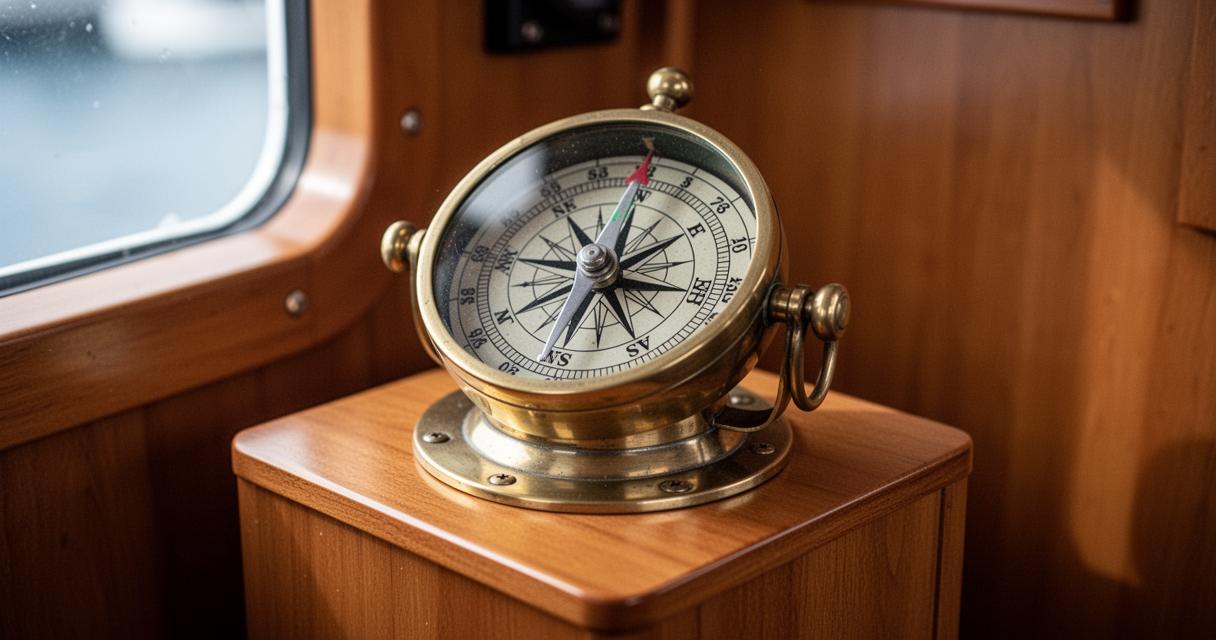
Once you venture beyond sheltered waters, managing engine power and fuel consumption becomes central to both safety and seamanship. Efficient boat handling in open water involves understanding how your engines respond to throttle inputs at different speeds, and learning to read the sea state so that you trim the hull correctly and reduce unnecessary drag. Good fuel efficiency is not simply about economy, it extends your range and reduces the risk of running short during an unexpected detour or when dealing with emergency boat procedures.
Pairing your engine management data with GPS speed over ground readings allows you to identify the sweet spot where power output and fuel burn align optimally. Many modern navigation systems present this information in an integrated dashboard, making it straightforward for the helmsman to make informed adjustments without diverting attention from the water ahead.
Adapting Handling Techniques for Different Boat Types and Widths
There is no single approach to boat handling that suits every vessel, and experienced mariners know that adapting their technique to the specific characteristics of the boat beneath them is what separates competent helmsmanship from true mastery. Hull shape, beam width, engine layout and draft all conspire to create a unique handling profile that rewards study and boating practice.
Tailoring direction controls to your specific engine layout
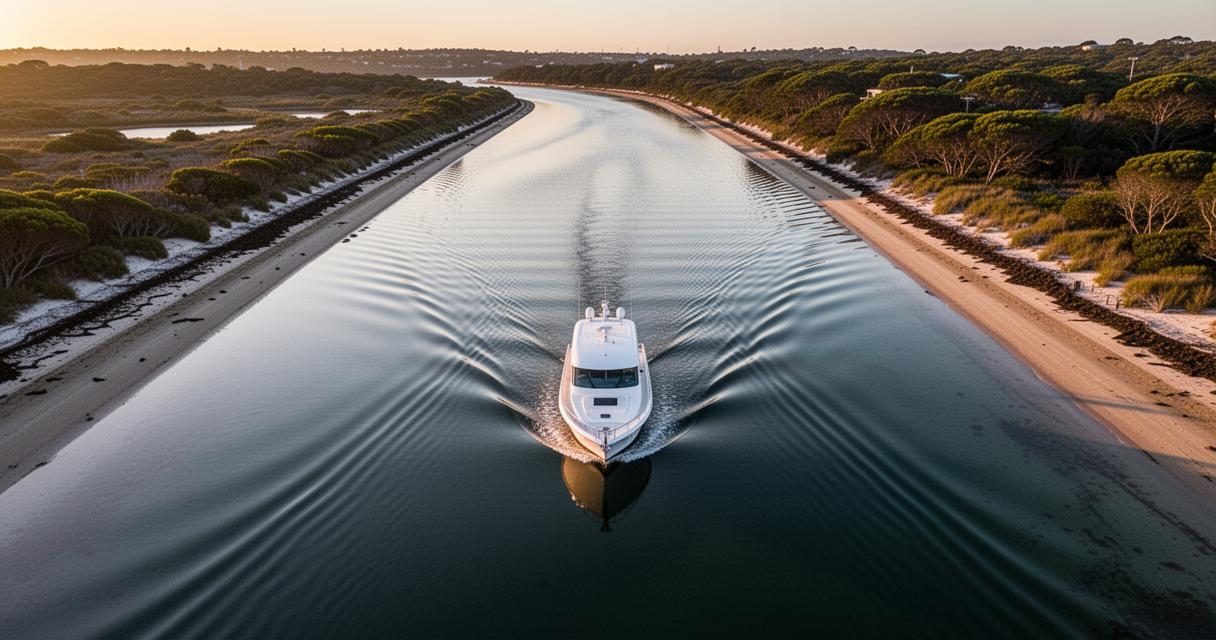
Whether your vessel is fitted with a single inboard engine, twin outboards or a sail-assisted hybrid system, the way you manage direction and throttle will differ markedly. Twin-engine boats, for instance, offer the considerable advantage of differential thrust, enabling tight turns in confined spaces without relying solely on rudder authority. This makes them particularly well suited to challenging boat docking techniques in busy marinas where space is at a premium. Single-engine installations, by contrast, demand a thorough understanding of propeller walk and the way the vessel responds to burst throttle inputs when manoeuvring at low speed.
Fine-tuning control setup for ideal water manoeuvrability
Achieving ideal manoeuvrability is ultimately a matter of matching your control setup to the demands of the water you navigate most frequently. Boaters who regularly work in tidal estuaries or cross busy shipping lanes benefit enormously from investing time in boating confidence-building exercises that cover a broad range of scenarios, from docking in a crosswind to executing a man-overboard recovery under pressure. Resources dedicated to helmsman skills development, such as structured practical guides offering exercises on manoeuvring in a marina, handling varying wind conditions and reacting to emergencies, underline the importance of regular, deliberate practice. A book addressing these very themes, comprising 78 pages and available in Kindle Edition format, has attracted a rating of 4.4 out of 5 based on 48 reviews, reflecting the appetite among recreational sailors and powerboat skippers alike for structured, practical guidance.
Ultimately, the best control setup is one that you understand intimately, one that has been refined through repeated use across different conditions until every adjustment becomes second nature. Fine-tuning your steering, monitoring your systems and maintaining every component in good order will steadily raise the level of precision and assurance with which you handle your boat, no matter the waters you choose to explore.