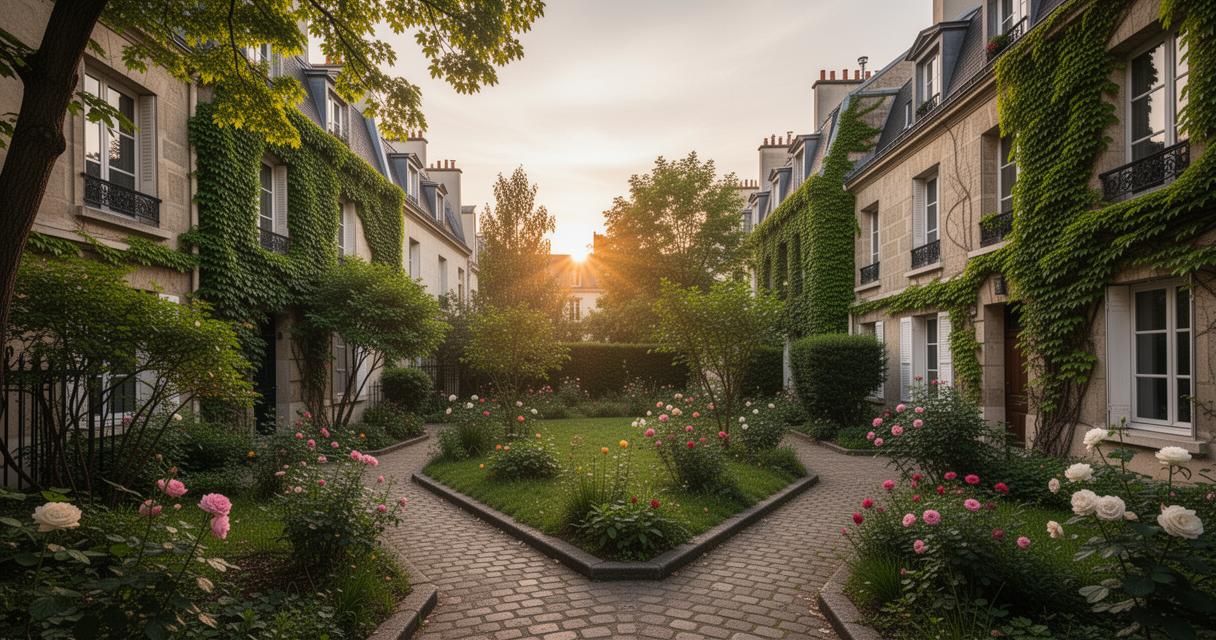
Paris has a habit of surprising even those who think they know her well. Beyond the iconic silhouette of the Eiffel Tower and the grand halls of the Louvre, the French capital harbours a quietly extraordinary side, one best discovered on foot, through winding lanes, open-air fairs, and neighbourhood markets that pulse with local life. For travellers eager to discover Paris differently, the city rewards curiosity with experiences far removed from the standard tourist circuit.
At a glance
- Paris offers a deeper cultural experience by exploring neighborhood markets, flea markets, and artisan fairs that operate outside the standard tourist circuit.
- Visiting lesser-known institutions like the Musée des Arts et Métiers and the Musée Nissim de Camondo provides intimate insight into French history and craftsmanship.
- The city’s riverside culture, exemplified by the traditional bouquinistes along the Seine and the relaxed atmosphere of the Canal Saint-Martin, offers a more authentic connection to Parisian life.
- Parks such as the Bois de Vincennes and the Parc Floral serve as hosts for seasonal events and local markets that showcase regional artisans and producers.
- Combining market visits with unique architectural paths like the Promenade Plantée allows travelers to see the city from refreshing, elevated, and historical perspectives.
- Hidden gems like the city’s Victorian-style covered passages and the gardens of the Grande Mosquée de Paris provide atmospheric experiences far removed from major monuments.
Unearth hidden gems and vintage finds across parisian neighbourhoods
Brimming Stalls Away from the Standard Tourist Circuit
There is something genuinely thrilling about stumbling upon a market stall laden with curiosities that no guidebook has seen fit to mention. Across the capital, flea markets and antique fairs offer a very different kind of discovery, one that invites you to slow down, rummage, and engage with sellers who carry generations of knowledge about French craftsmanship and history. The Bastille district, for instance, draws a loyal crowd of locals and informed visitors alike, its markets offering everything from vintage prints to artisan ceramics. These are not merely shopping destinations; they are living fragments of neighbourhood identity, and wandering through them is one of the most authentic activities Paris can offer.
For those drawn to the more unusual, Paris rewards the inquisitive with museums and collections well outside the mainstream. The city is home to institutions dedicated to arts and crafts, ethnography, and urban history, places where you can spend an entire afternoon without encountering a tour group. A guided angle through some of these less-visited cultural spots can genuinely transform one’s understanding of what the capital has to offer beyond its celebrated landmarks.
Curiosities and Antiquities in the Heart of the Capital
The heart of Paris conceals a remarkable array of hidden gems that even seasoned visitors overlook. The Musée des Arts et Métiers, for example, houses an astonishing collection of scientific instruments and mechanical inventions that reads almost like a cabinet of wonders. Equally compelling is the Musée Nissim de Camondo, a grand private townhouse preserved as it was in the early twentieth century, offering an intimate portrait of Parisian bourgeois life. These places do not merely display objects, they narrate stories, and stepping inside them feels like a private audience with history itself.
Antique fairs scattered across various districts complete this picture of alternative discovery. Unlike the bustling tourist markets near the major monuments, these arts fairs attract collectors, dealers, and enthusiasts who treat each visit as a serious cultural exercise. The atmosphere is unhurried, the conversations genuine, and the finds (whether a signed lithograph or an Art Deco clock) entirely unpredictable.
Experience Local Life Along the Seine and Charming City Streets
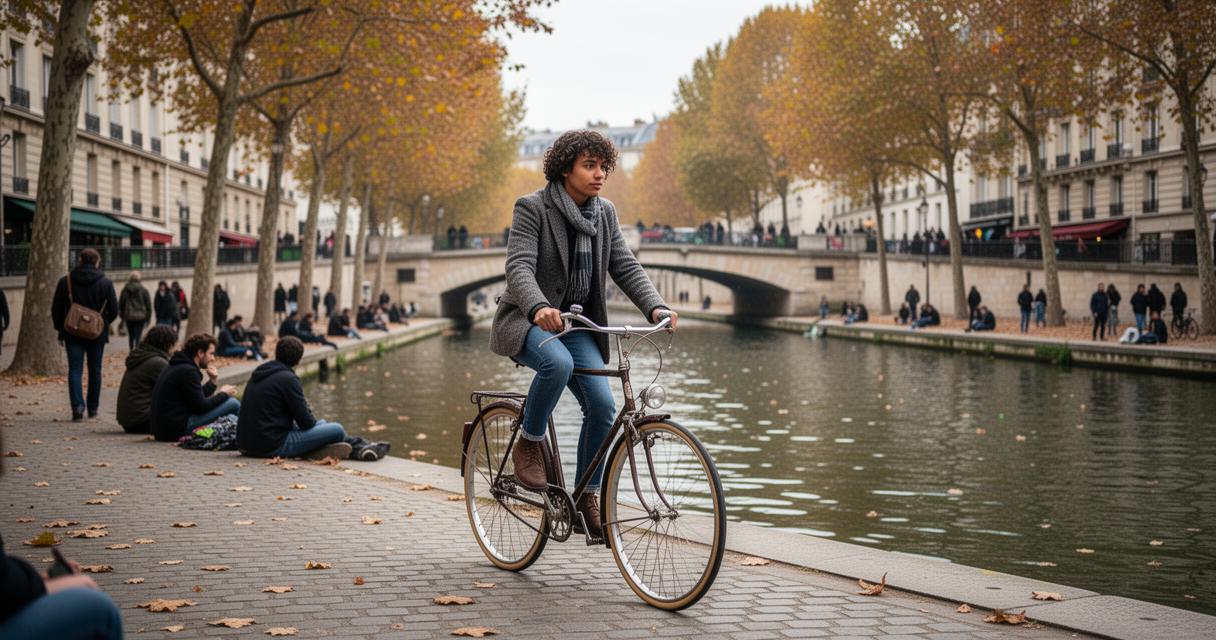
Atmospheric walks through open-air artisan fairs
A walk along the Seine remains one of the great pleasures of any Paris visit, but it takes on a wholly different character when you venture beyond the postcard stretches. The bookstalls of the bouquinistes, weathered green boxes fixed to the riverbanks, have traded in second-hand books, vintage posters, and old postcards for generations. Browsing them is less a transaction than a ritual, a slow, pleasurable act of discovery that connects you directly to the city’s literary and artistic heritage.
Open-air artisan fairs tucked into quieter districts offer a similarly rewarding experience. Here, potters, jewellers, textile artists, and illustrators display their work in settings that feel refreshingly unscripted. The Canal Saint-Martin area, in particular, has become a destination for those seeking a more relaxed, waterside atmosphere, its iron footbridges and tree-lined banks providing a backdrop quite unlike anything found in central tourist zones. During the summer months, the banks of the Seine themselves are transformed into a lively open-air space, turning the riverside into an unexpected arena for street performance, leisure, and spontaneous encounter.
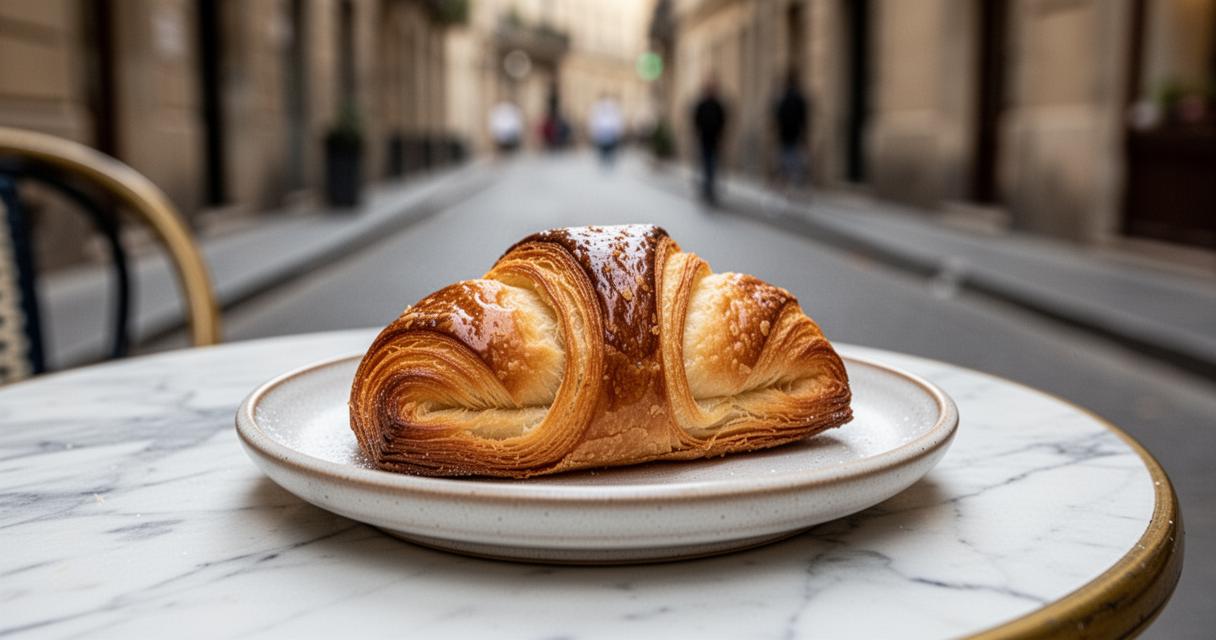
Unique markets tucked near picturesque parks and gardens
Some of Paris’s most rewarding market experiences are found in the shadow of its parks and gardens. The Bois de Vincennes, with its castle and floral park, forms the eastern boundary of the city and is home to seasonal fairs that attract families and curious visitors in equal measure. The Parc Floral de Paris, set within this woodland expanse, hosts cultural and artistic events throughout the year, many of which spill out into informal markets where local craftspeople and producers gather.
On the western edge of the city, the Albert Kahn Museum and its extraordinary gardens offer another perspective entirely. The site, dedicated to early colour photography and the landscapes of the world, is a haven of calm that frequently hosts events and temporary exhibitions, often accompanied by small fairs where artisans and booksellers set up alongside the famous garden paths. Versailles, though technically beyond the city limits, draws visitors who are surprised to find, beyond its palace gates, a thriving local market town with its own rhythms and independent traders.
Plan your alternative city tour beyond the usual landmarks
Combining market visits with distinctive cultural places
The most satisfying way to explore Paris off the beaten path is to combine a market morning with a visit to one of the city’s less-celebrated cultural institutions. The Promenade Plantée, an elevated garden stretching along a former railway viaduct, is a perfect example of this kind of layered discovery. Walking its 1.5 kilometres offers views of Parisian rooftops and private gardens rarely glimpsed from street level, while the vaulted arches beneath it house independent designer boutiques and ateliers where craftspeople work in full view of passers-by.
For those interested in more structured experiences, specialised walking tours reveal historical layers of the city that standard itineraries never reach. Medieval Paris, for instance, exists in fragments beneath and between the Haussmann boulevards, in the form of old walls, surviving street plans, and institutions with roots stretching back centuries. Guided tours focused on street art bring a further dimension to the city’s visual culture, particularly in neighbourhoods like Montmartre, where murals and paste-ups coexist with a rich artistic tradition.
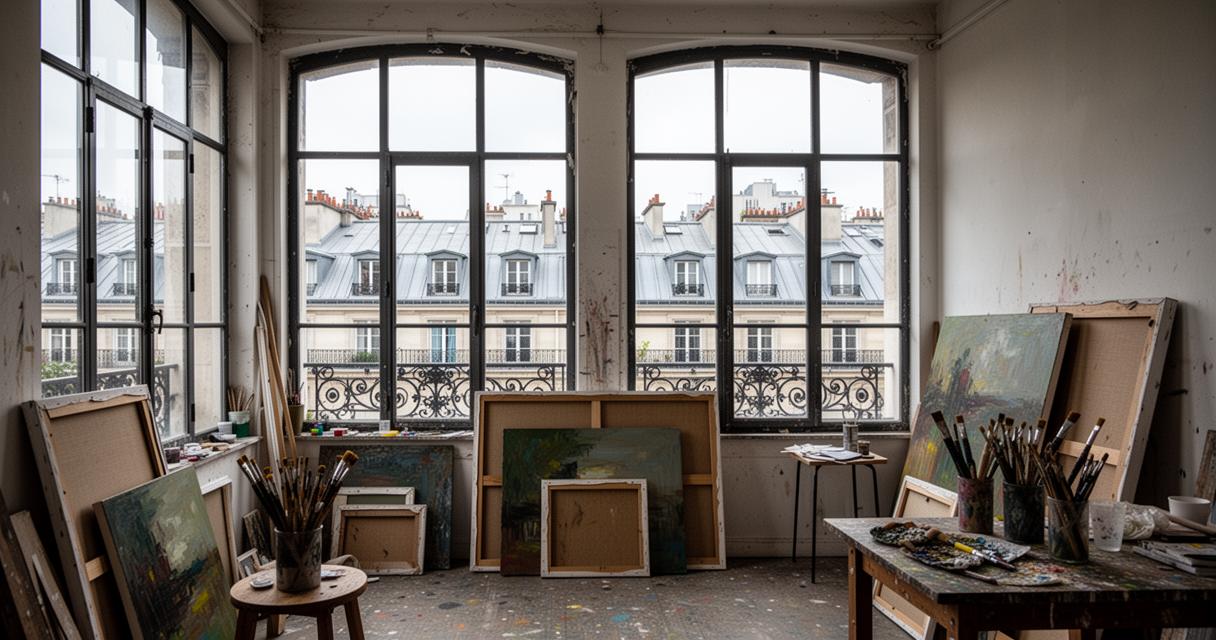
Capturing Authentic Moments for a Fresh View of the City
Paris is, among many other things, a city that rewards those who look closely. A new view of the capital can emerge from the most unexpected places, the rooftop of Montparnasse Tower, for instance, offers a panorama that includes the Eiffel Tower from a perspective most visitors never consider, particularly around dusk when the city’s lights begin to shimmer across the skyline. The island communities of the Île Saint-Louis and the lesser-visited corners of the Île de la Cité provide a similarly contemplative experience, their quiet quays and ancient facades a world apart from the crowds a few streets away.
For the Instagram-conscious traveller, the unusual corners of Paris are also its most photogenic. The Grande Mosquée de Paris, tucked into the fifth arrondissement, offers Moroccan-style mint tea in a garden setting that feels entirely elsewhere. The city’s covered passages, grand Victorian arcades filled with bookshops, toy dealers, and specialist tea rooms, are among the most atmospheric places in all of France, and almost entirely overlooked by those who limit their visit to the principal monuments. To discover Paris differently is, ultimately, to trust that the city’s richest experiences lie not in ticking off a list of famous sights, but in the patient, curious exploration of its neighbourhoods, its fairs, its hidden gardens, and its quietly extraordinary everyday life.